
Post-Traumatic Growth: A Note for Survivors
Author: Felice Upton | Connect on LinkedIn
Published December 24, 2025
We talk a lot about trauma now. What we don't talk about enough is post-traumatic growth.
Post-traumatic growth is a concept developed by psychologists Richard Tedeschi and Lawrence Calhoun in the mid-1990s. It describes the positive psychological change that can emerge from the struggle with highly challenging life circumstances. Not just bouncing back. Not just resilience. Actual expansion across five domains: deeper relationships, new possibilities, personal strength, spiritual or existential development, and a greater appreciation for life.
Post-traumatic growth doesn't deny deep distress. It posits that adversity can unintentionally yield changes in understanding oneself, others, and the world. Researchers estimate that half to two-thirds of trauma survivors may experience post-traumatic growth.
This isn't about silver linings or toxic positivity. It's not saying trauma is good or necessary. It's recognizing that in the aftermath of terrible things, transformation is possible. And that transformation depends heavily on what happens next.
Here's what gets missed: the response to trauma matters as much as the event itself. Being believed. Being met. Getting what you actually need when you're still on the ground. Those things shape what comes next. Survivors know this in our bones. The clinical research confirms it.
We've gotten better at naming trauma: ACEs scores, trauma-informed care, trigger warnings. But we often stop at the damage. We measure wounds. We rarely talk about what becomes possible when someone is held well in the aftermath.
I've survived things that nearly broke me, abuse that shaped who I became. And this year brought different harms: professional betrayals, people who should have known better. These aren't the same. But the patterns rhyme. The silence of bystanders. The reframing by those who caused harm. The expectation that I'll make it easier for everyone else to move on. Survivors know these patterns. We recognize them across contexts.
I've had people remark on how well I bounce back, as if survival is a spectator sport. My abuser once told me it was remarkable how much I'd achieved despite his efforts to sabotage me. Let that sit. Not only did I have odds to overcome, but he was also actively making it harder. And then he wanted credit for noticing I made it anyway. His actual quote, "You succeeded while pulling 220 lbs. behind you trying to pull you backward each step of the way." iykyk
Yesterday I posted about finding my footing. Within hours, people who caused me harm this year reached out. Not to own it, but to reframe it. To explain. To feel better about what they did.
Let me be clear: that is not my job.
It's not my job to help you feel okay about what you did. My job is to crawl out and build something meaningful from the wreckage. I will. But my growth doesn't erase your harm. I won't soften that for you. My figuring this out is in spite of you, not because of you. If you want to do better, now that you know better, do better.
This year I've also noticed how many people won't name wrongs publicly but will slide into my DMs with private support. I see you. And I'm asking you to consider: if you don't stand for something, what do you stand for? Survivors notice who showed up and who just watched. I have heard this pattern from everyone I know who has gone through similar.
To those who showed up:
I need to say this too. This year, some people came with genuine care. They checked in without agenda. They held space without needing me to perform recovery on their timeline. They believed me. They stayed. So many people. THANK YOU.
You know who you are. I am here in part because of you. That is what response looks like. That is what makes growth possible. Thank you. I am so grateful. This year someone said to me, "I know it's hard to figure out the ugliness in people so fast but here's the benefit to you-you now get to see what's true, who's genuine and the true beauty in so many people." Yesterday I got to reflect and be in awe of the incredible relationships and people I know. My gratitude to you...I don't have words for.
To those who caused harm and are now reaching out:
I see you too.
I will not soften what happened. I will not reframe it so you can feel better. My growth is in spite of what you did, not because of it. The spin doesn't work on me.
But here's what I will do: when you're ready to actually learn, not explain, not defend, not reframe, I'll walk alongside you. Because I believe people can change. That belief is the foundation of my entire career. I've built systems around it. I've staked my professional life on the idea that people are more than their worst moments.
That includes you.
But the door is for learning, not absolution. You have to walk through it yourself. And the first step is owning it, fully, without caveat.
Something I say often after a hard day, a tough loss, a setback: it can make you bitter or it can make you better.
I will not let those who mean to cause harm to make me see the world as less beautiful. That is something I will not let them take.
I and so many others have been through unthinkable things and moved forward with the kind of grit and persistence that only comes from crawling through fire. We didn't survive to stay small. We didn't crawl to the table to keep the seat warm.
We crawled there to reset the table. We can all eat and we can all thrive.
To my fellow survivors:
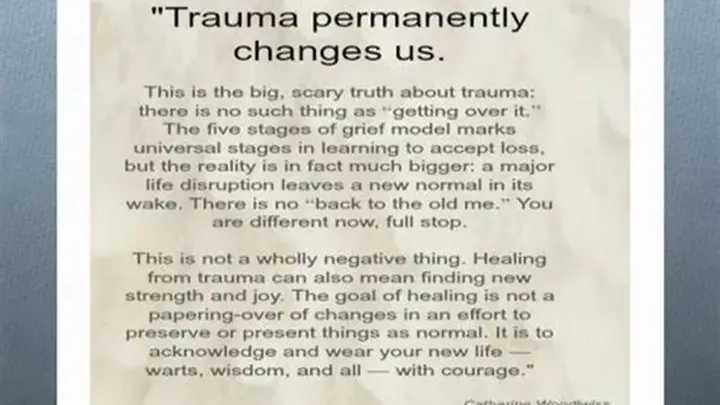
Post-traumatic growth is real. It doesn't come from inspirational quotes or pulling yourself up alone. It comes from being met well. From finding people who believe you. From community.
And sometimes it comes anyway, even when no one showed up, because you decided you weren't done yet.
I want us to find each other. I want us to build together. When survivors come together and show the world what we know, we will change it. Not despite what we've been through. Because of it.
Sound off if this lands.
To those who work with young people, in schools, facilities, systems:
Many of the young people you serve are survivors. You may not know their stories. You don't need to.
What you need to know is this: while we never want anyone to experience trauma, when they have, we have an opportunity. Not to fix. Not to rescue. To set the stage for what comes next.
Post-traumatic growth isn't automatic. It's cultivated. It requires safety, authentic connection, space for meaning-making, and people who believe that the young person in front of them is capable of becoming more than their worst experiences.
Up to 90% of justice-involved youth report exposure to some type of traumatic event. That number should stop us in our tracks. But what we do with it matters more than knowing it.
Learn about this. Understand that your response is part of their story. You may not know what it is to crawl through fire and emerge changed, but you can be the person who creates conditions for that emergence. You can be the person who believed them when no one else did. That matters more than most of the interventions we fund.
