
A Little Raised Eyebrow...
Author: Felice Upton | Connect on LinkedIn
Published December 10, 2025
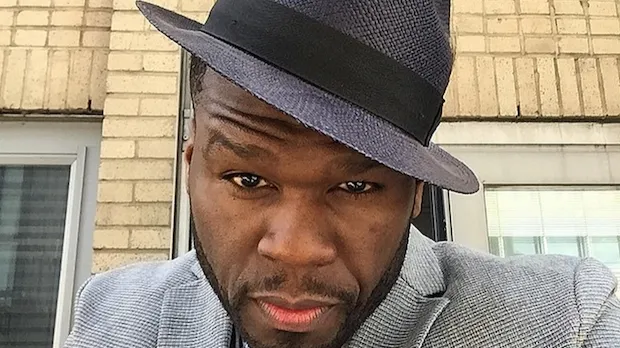
I'm a survivor of domestic and sexual violence. So, I've been watching the 50 Cent discourse with particular interest, both personally and professionally.
As someone who has spent over two decades working in justice systems, including gender-responsive programming, trauma-informed leadership, and understanding the dynamics of harm against women, I know this conversation must happen. Not just about celebrities. About all of us. I want to celebrate every person who bears witness, who stands in solidarity with and who calls out harm alongside those harmed.
Let me be clear: I love a good petty beef. I grew up in the 90s. I love both of their music. I've indulged in the memes like everyone else, laughing at the posts and the relentless trolling as well as a good beef and a good grudge.
But as I've been processing all of this, as a survivor, as someone who has spent my career working in systems that are supposed to deliver accountability, I keep coming back to something deeper than the entertainment value. I watched the documentary last week. I have paid close attention to the survivors since the beginning.
The internet wants to make this a story about pettiness. About a decades-long beef. About memes and ridiculousness...
I think they're missing the point entirely.
What 50 Cent actually did:
For nearly 20 years, he said publicly what the industry knew privately. He stayed away from those parties. He said it was "uncomfortable energy." He called it "weird." He didn't let it go. He didn't move on. He didn't "rise above it."
Then, one month after Cassie Ventura filed her lawsuit in November 2023, he announced he was producing a documentary. He won the bidding war with Netflix. He brought in director Alexandria Stapleton and stated their mission clearly: "We remain steadfast in our commitment to give a voice to the voiceless."
While people were still afraid to talk, the director said even after allegations surfaced, people were "paranoid that it could get back to Diddy and his team"...50 Cent created a platform for victims to tell their stories. Former Bad Boy artists. Employees. Survivors. People who had been silenced for decades finally had somewhere to go. Can we say heck yes (not the words I actually want to use.)
He pledged that all proceeds from the documentary would go to victims of sexual assault and rape.
When Diddy's team called it a "hit piece," 50 Cent didn't flinch. When people said he was just being petty, he leaned in: "I accept that. I'll take that. I'll wear that."
And then he said something that should make us all stop.
"If I wasn't saying the things that you heard me say, there would be nothing being said at all. You would assume that the culture condones those behaviors."
Here's what I know and what I don't:
I don't know 50 Cent's motivation. None of us can know what's truly in someone's heart. Maybe it's revenge. Maybe it's justice. Maybe it's both. Maybe it's something else entirely. Honestly, IDGAF.
But here's what I've learned in my work: impact matters more than intent.
Whatever drove him, the impact is undeniable. Survivors have a platform. The truth is documented. Proceeds are going to victims. A powerful man is facing consequences. And the rest of us are being forced to ask ourselves why we stayed silent.
That's not pettiness. That's bearing witness. That's solidarity in action.
Why this matters:
Does he dislike Diddy? Who cares. Not the issue.
Here's what I care about: Diddy ruined lives. And a gazillion people went along with it while he ruined lives. Fear ruled. Silence protected the wrong person. Careers, relationships, reputations were used as leverage to keep people quiet.
Now survivors like Cassie Ventura, who testified for four days about abuse, control, drug-fueled coercion, and the nightmare of being gaslit for years, can finally stop questioning their own reality. She gave birth to her third child during the trial. She showed up eight months pregnant to testify against the man who had controlled her life for over a decade. That video.... should make us all cry and cringe and we should not be numb to this shit.
In her words: "The more I heal, the more I can remember. And the more I can remember, the more I will never forget."
She said she hopes her voice "gives strength to other survivors."
The truth is out. And in the true spirit of restorative justice, now that even the person who perpetrated the harm has to see the truth, he too can begin to heal. That's not wishful thinking that's what accountability actually creates: the conditions for everyone to stop living in the distortion field. Survivors stop being gaslit. Bystanders reckon with what they enabled. And yes, even the person who caused harm has the possibility of genuine transformation rather than continued performance.
This isn't just about celebrities:
This story is on TV because of the players involved. That's why I'm talking about it. But this same dynamic plays out in our own communities every single day...without cameras, without documentaries, without anyone paying attention.
Victims are made to feel like they have to justify their story. They're questioned, doubted, dismissed. They watch the people around them choose comfort over courage, choose relationships with the person who harmed them over solidarity with the person who was harmed.
We put the burden of proof on survivors while giving the benefit of the doubt to systems of power and the people who protect those who cause harm.
That has to change.
The question I'm sitting with:
What would our world look like if this level of solidarity existed everywhere? If more of us were willing to bear witness?
People would not and could not get away with evil if more of us refused to stay silent. If more of us were willing to be called "petty" for telling the truth. If more of us showed up unapologetically, not perfectly, not politely, but persistently.
Start believing survivors. Start standing in solidarity with those who have been harmed. Stop asking victims to justify their pain and start asking systems of power, and those who support people who cause harm, to do better.
So, I'm asking myself, and I'm asking you:
Where have we chosen our own comfort over doing the right thing? Where have we stayed quiet because speaking up was inconvenient, or risky, or unpopular?
And how do we do better? Stand up, stand alongside, tell the truth always in all ways.
